Service · Pressure washing

Pressure washing in Bellingham, WA

Concrete that looks like it did new.

Remove years of built-up dirt, grime, algae, and stains from driveways, patios, walkways, retaining walls, and other hard surfaces. Using commercial-grade equipment and proven cleaning methods, we deliver a deep clean that instantly improves curb appeal while helping protect your surfaces from long-term deterioration.

When pressure is the right call

Hard surfaces. Real pressure. No damage.

Concrete & stone

Driveways, patios, sidewalks, retaining walls, and other hard surfaces accumulate dirt, algae, moss, and stains over time. We use the appropriate pressure and cleaning techniques to safely restore these surfaces and bring back their original appearance.

Expert care

We use commercial-grade pressure washing equipment designed to deliver consistent, high-quality results across large surfaces. Combined with the proper cleaning techniques, our equipment allows us to effectively remove dirt, grime, algae, and stains while restoring the appearance of your hardscape surfaces.

Pre-treat for stains

For tougher stains like oil spots, rust discoloration, and organic growth, we apply targeted cleaning solutions before washing. This treatment helps break down contaminants so they can be removed more effectively during the cleaning process.

Pressure washing process

How we clean hard surfaces.

  1. 01
    Clear & pre-treat

    We clear the area and pre-treat oil stains, rust marks, or heavy organic buildup with the right solution, giving it time to dwell before pressure does the lifting.

  2. 02
    Surface clean

    We clean the entire surface using professional-grade surface cleaners and pressure washing equipment to remove dirt, grime, algae, and stains while delivering a consistent, streak-free finish.

  3. 03
    Final rinse & inspect

    After cleaning, we perform a thorough rinse and inspect the entire area to ensure a spotless result. Any remaining problem areas are addressed before we pack up and leave your property looking its best.

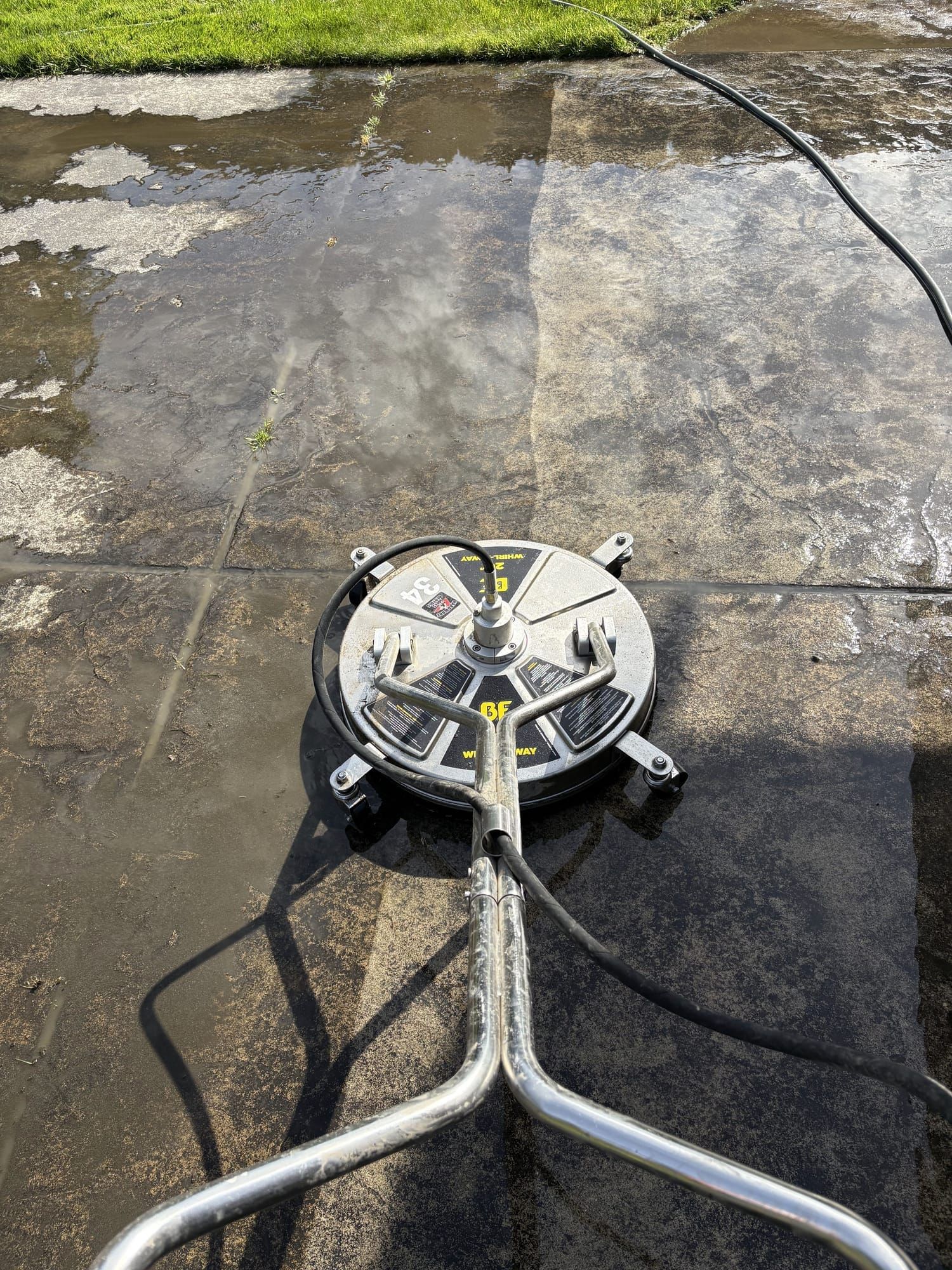
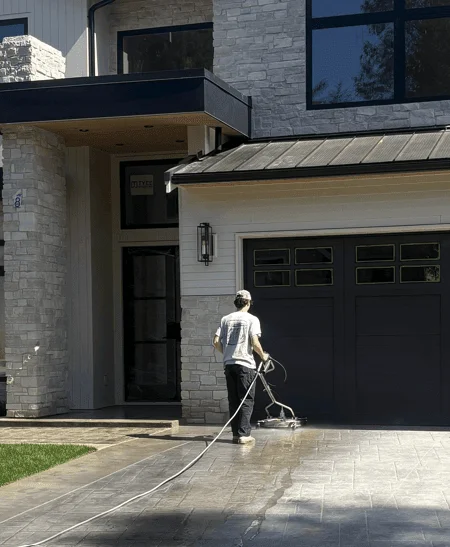
Surface cleaner attachment in use on a concrete driveway
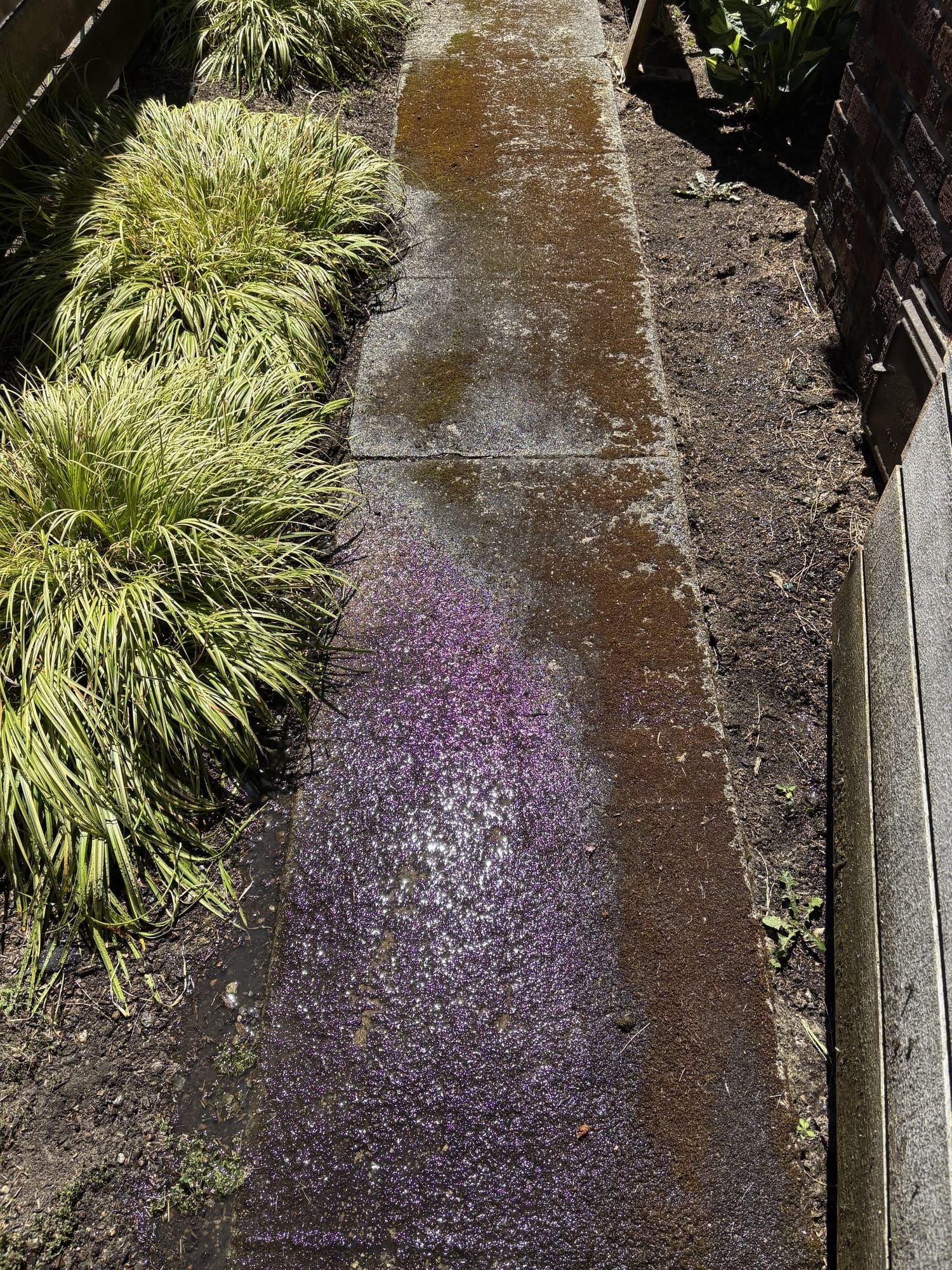
Concrete walkway before pressure washing, algae stains visible Before
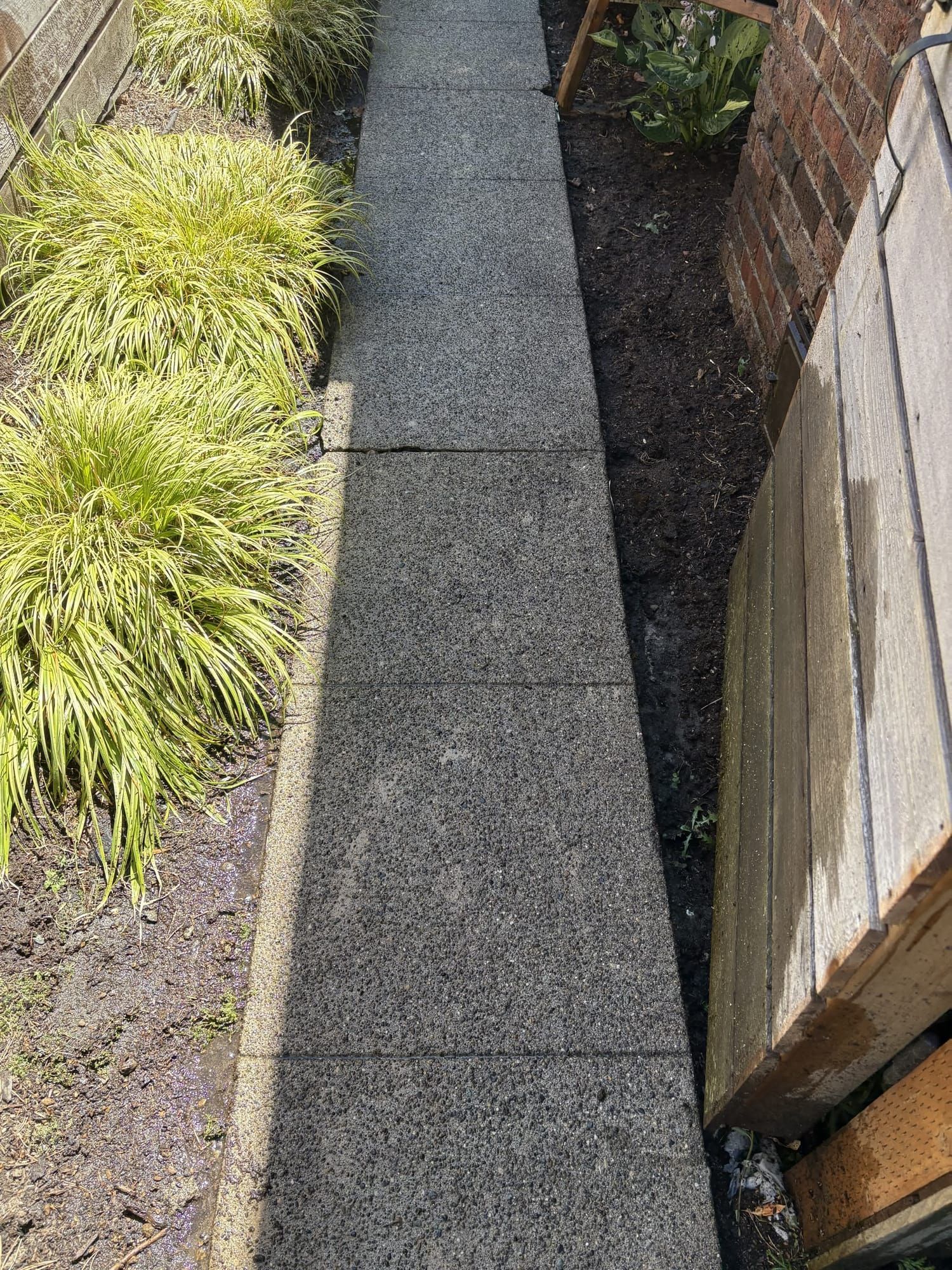
Same concrete walkway after pressure washing, clean and restored After
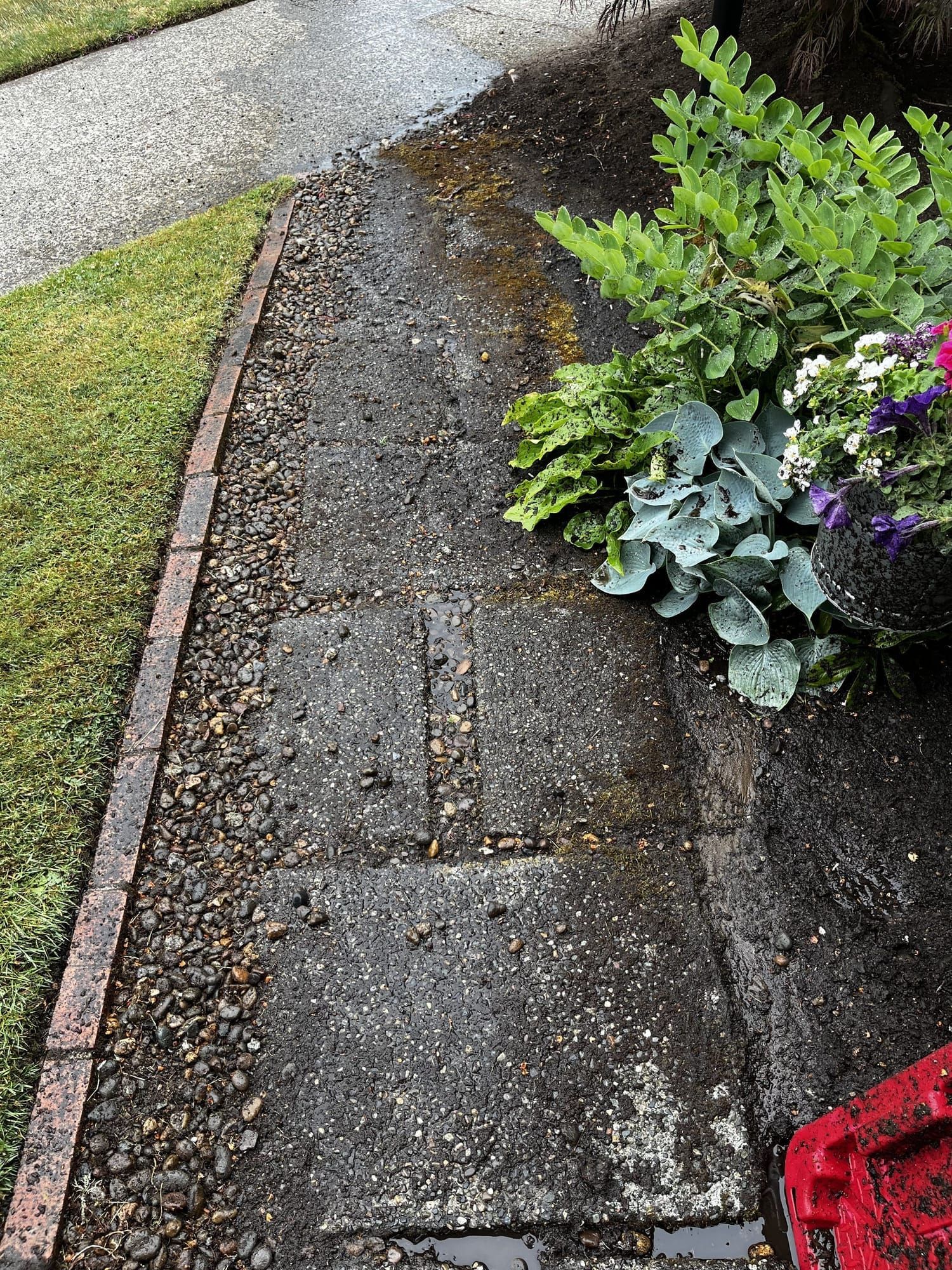
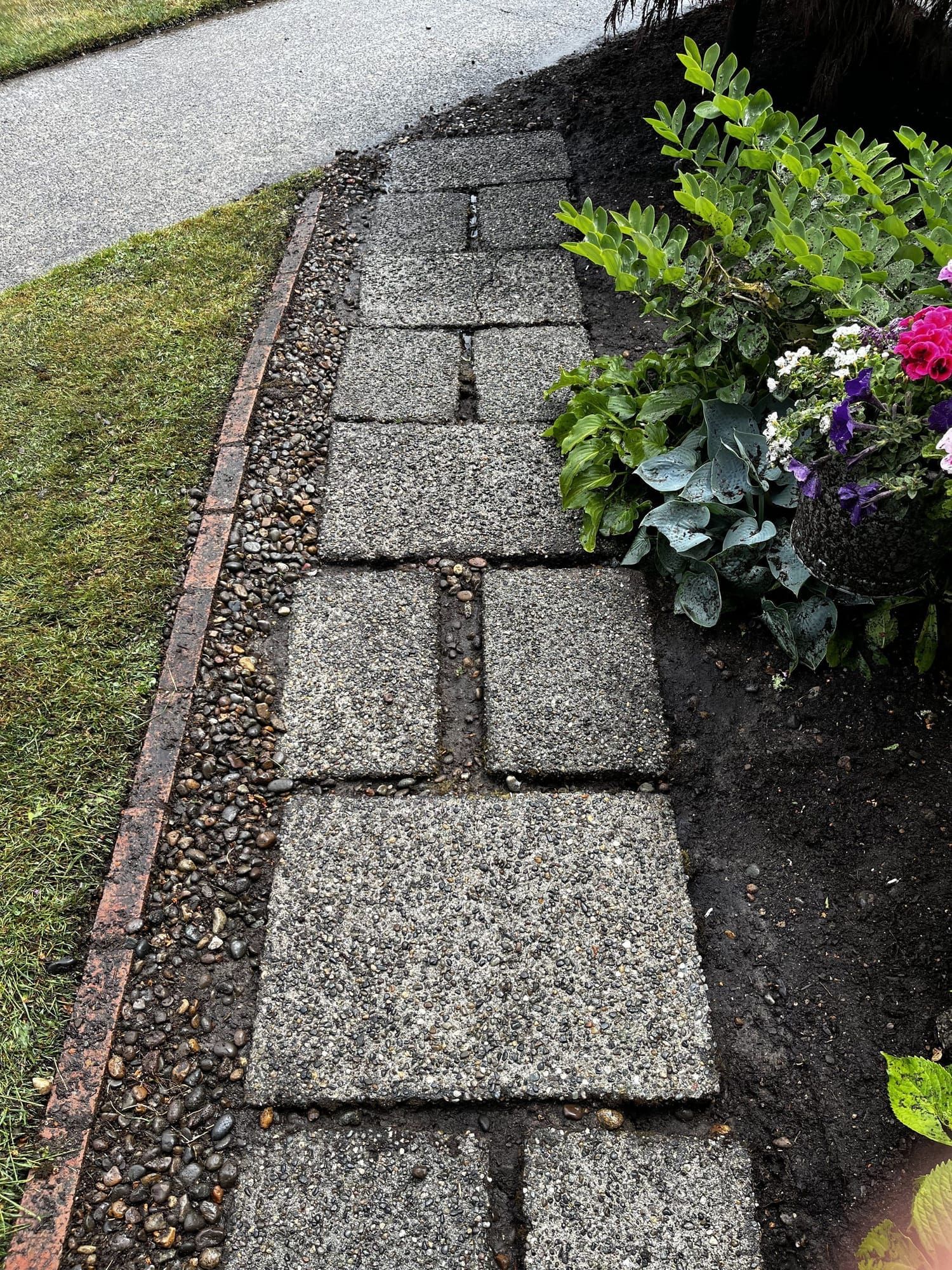
Paver walkway before pressure washing, moss and dirt in the joints Before
Same paver walkway after pressure washing, clean and restored After
Common questions

What people ask us about this.

What is soft washing and how is it different from pressure washing?

Soft washing uses low pressure and specialized cleaning solutions to safely remove organic growth like moss, algae, and mildew. Unlike traditional pressure washing, which relies on high pressure to blast away dirt, soft washing kills growth at the root so it doesn't come back as quickly. It's the right method for delicate surfaces like roofs, siding, and painted wood.

How much do your services typically cost in Whatcom County?

Every property is different, but here's what most jobs run: roof cleaning $300–$600, house washing $350–$700, gutter cleaning $200–$400, pressure washing (driveways, patios, walkways) $200–$450, and window cleaning $200–$400. Send a few photos of your property and we can usually give you an accurate number before we ever show up.

Will pressure washing damage my concrete or pavers?

Not when done correctly. We match the pressure and tip size to the surface. Concrete and pavers handle high pressure well — it's soft surfaces like wood siding or roofing where you need to be careful. We never use pressure washing on those.

How long does pressure washing take to dry?

Usually 30–60 minutes in decent weather before the surface is comfortable to walk on again. Full drying to a cured finish can take a few hours depending on sun and airflow.

What's the difference between pressure washing and power washing?

Power washing uses heated water; pressure washing uses cold water at high pressure. Most residential cleaning — including ours — is cold-water pressure washing. It's effective for driveways, patios, fences, and walkways, and the heat of a power washer isn't necessary for those surfaces. Hot water has real advantages for heavy commercial grease or industrial applications, but for typical home exteriors it's overkill and adds cost without meaningful benefit.

What surfaces should not be pressure washed?

Asphalt shingles (damages the granule coating, voids most warranties), painted wood siding and trim (strips paint), cedar shake, stucco, older brick and mortar joints (water intrusion, crumbling), and most decorative stone. For any surface you're not certain about, low-pressure soft washing with the right cleaning solution is the safer bet. We assess the surface before starting and adjust our approach — we don't just point a pressure washer at everything.

Can pressure washing damage vinyl or Hardie board siding?

Yes, if done wrong. Vinyl can crack or have water forced behind panels if the pressure is too high or the nozzle angle is perpendicular to the surface. Hardie board is more tolerant but still needs correct technique to avoid water intrusion at seams and edges. For both materials, we use low-to-medium pressure and work top-down at a shallow angle. When there's any doubt, a soft wash — low pressure plus cleaning solution — is safer than turning up the PSI.

Should my house be soft washed or pressure washed?

Soft washing for the siding, fascia, and painted surfaces — pressure washing for the concrete and hardscapes. House siding accumulates mold, mildew, and algae on surfaces where high pressure would strip paint or force water into seams. The right process uses a low-pressure cleaning solution (soft wash) on the exterior walls, then switches to higher pressure for driveways, walkways, and patios. We adjust automatically depending on the surface — you don't need to choose one or the other upfront.

What are the downsides of pressure washing?

Done wrong: strips paint, damages soft surfaces, drives water behind siding, and cuts into older mortar. Done right, the main limitation is that pressure washing removes growth mechanically — it doesn't kill it at the root — so moss and algae come back faster than with soft washing, which uses a solution that kills the growth. High pressure is the right tool for concrete, pavers, and stone. It's the wrong tool for roofing, siding, and painted surfaces.

When is the best time to have a house washed in Whatcom County?

Spring (March–May) is the most popular window — after a wet winter that's left mold and algae on every surface, before you're hosting summer company. Fall is the second-best choice: washing before the rainy season prevents moss from establishing over winter. We work year-round, and it's worth timing a wash at least 48 hours before heavy rain so surfaces can dry and any cleaning solution can finish working. If you're preparing for sale or a paint job, don't wait for a specific season — the sooner the better.

How much does driveway pressure washing cost in Bellingham?

Most single-family driveways in Bellingham and surrounding Whatcom County run $150–$350 depending on size, surface staining, and whether the driveway connects to a patio or walkway we're cleaning in the same visit. Heavy oil staining, large three-car pads, or driveways covered in thick moss run higher. Send us a photo and rough dimensions — we can usually give you an accurate number without a site visit.

See all FAQs →

Driveway looking tired?

Send a photo to (360) 230-8759. Quotes are usually same-day.